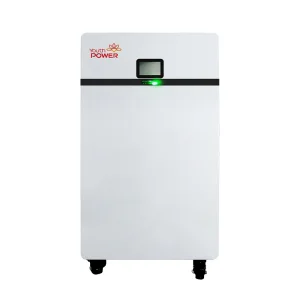
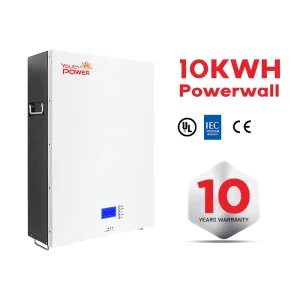
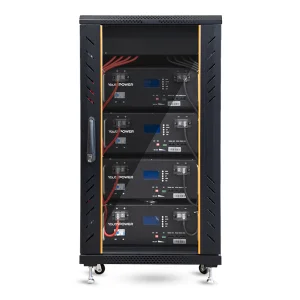
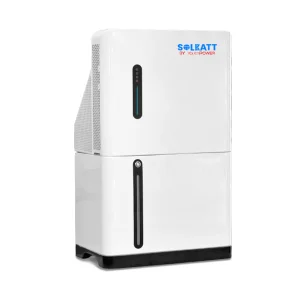
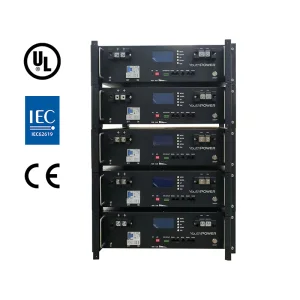
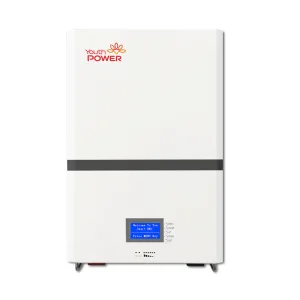
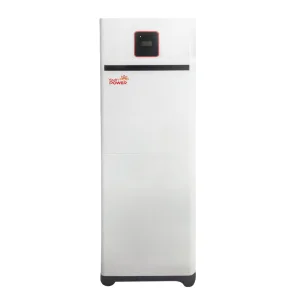
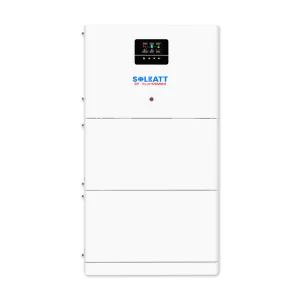
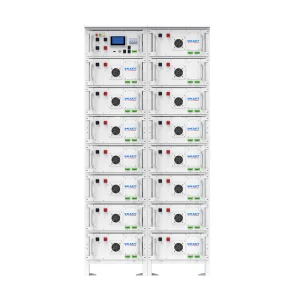
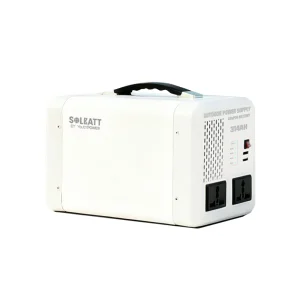
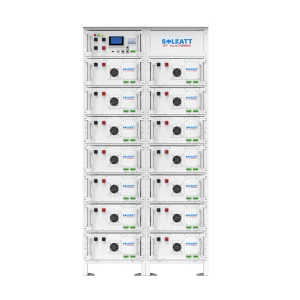
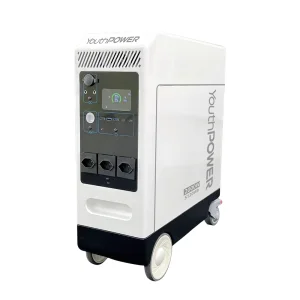
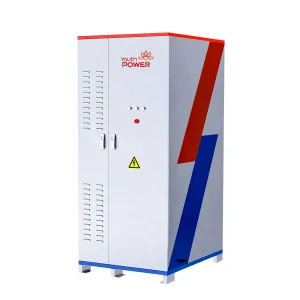
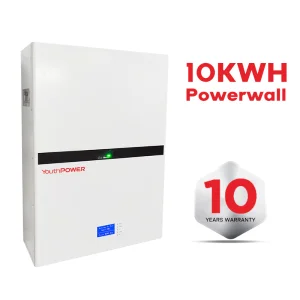
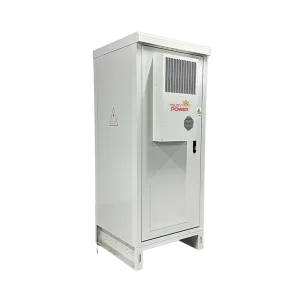
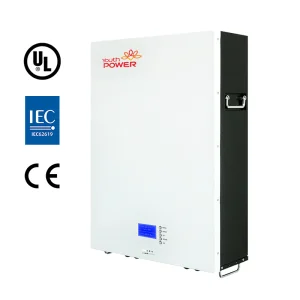
Explore our industrial and commercial grade lithium battery storage catalog, designed for premium energy resilience and long-cycle performance.
Analyzing global shifts towards high-capacity 400Ah lithium iron phosphate (LiFePO4) storage architecture for grid stabilization and industrial deployment.
The global renewable energy landscape is transitioning rapidly from smaller cell form factors (50Ah, 100Ah, 200Ah) to high-density 314Ah and 400Ah LiFePO4 cells. Modern Commercial & Industrial (C&I) projects and large-scale microgrids demand higher capacity per unit area to lower balance-of-system (BOS) costs, streamline wiring complexity, and enhance overall systemic thermal efficiency.
Rising grid tariffs, demand charge penalties, and carbon footprint mandates are driving global enterprises to adopt multi-megawatt-hour battery systems. 400Ah chemistry serves as the building block for 48V, 51.2V, 768V, and 1000V+ containerized energy storage units, delivering seamless peak shaving, solar self-consumption, and critical backup power.
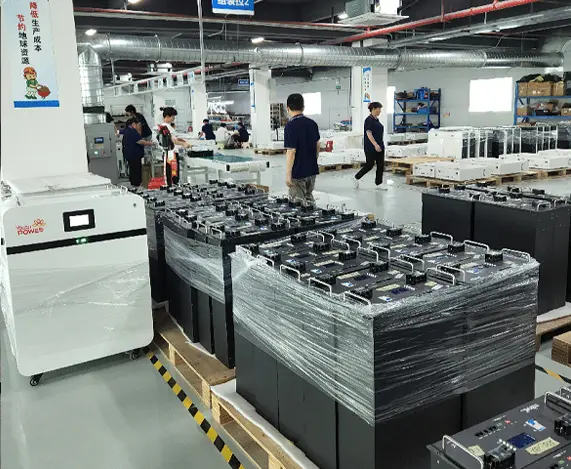
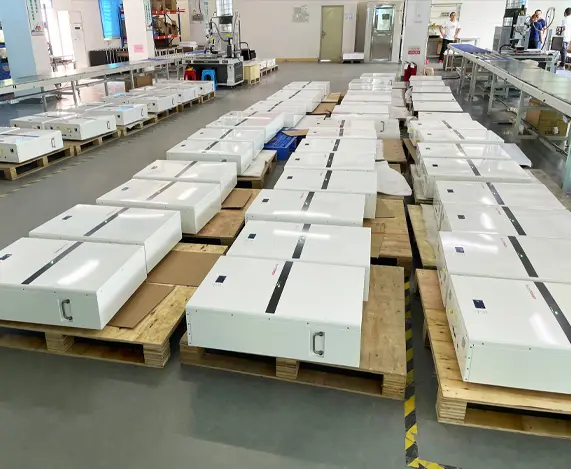
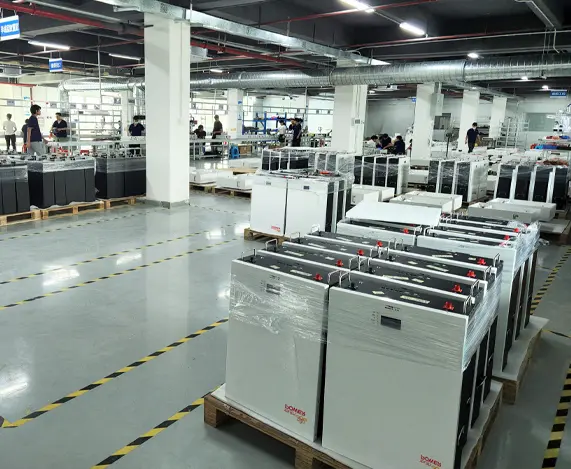
Tier-1 OEM and ODM manufacturers are scaling automated production lines featuring laser pole welding, robotic sorting, and real-time digital twin monitoring. Global buyers prioritizing reliable 400Ah lithium battery factories focus on automated cell matching, thermal stability testing, and transparent factory-direct pricing models.
A granular look at cell chemistry, thermal dissipation mechanisms, internal resistance metrics, and battery management system (BMS) integration.
When selecting a 400Ah battery system, lithium iron phosphate (LiFePO4) chemistry stands out as the ultimate choice for stationary storage due to its exceptional thermal runaway threshold (>270°C) compared to ternary NCM cells (~210°C). Prismatic metallic enclosures house ultra-dense electrode stacks that withstand expansion forces during repeated heavy charge/discharge cycles.
Deploying a 400Ah battery array requires sophisticated industrial BMS safeguards to avoid localized cell overcharging, deep discharge, or thermal imbalance across long strings.
| Parameter / Feature | 400Ah Grade-A LiFePO4 Standard | Legacy 100Ah/200Ah Modular Strings | Competitive Commercial Benefit |
|---|---|---|---|
| Nominal Energy (Single 48V Module) | 20.48 kWh (48V 400Ah) | 5.12 kWh / 10.24 kWh | 75% fewer inter-module cables & connectors |
| Cycle Life (@ 25°C, 0.5C, 80% DoD) | ≥ 6,000 to 10,000 Cycles | 3,500 to 5,000 Cycles | Extended operational lifespan beyond 15 years |
| Footprint / Energy Density | High Volumetric Efficiency (Prismatic) | Moderate (Multiple Parallel Cases) | Saves 40% valuable floor space in equipment rooms |
| BMS Balancing Speed | Active Equalization (2A - 5A) | Passive Dissipative Equalization | Eliminates capacity bottlenecking in long strings |
Unpacking raw material cost structures, OEM factory pricing trends, MOQ discount matrices, and Levelized Cost of Storage (LCOS).
The unit price of a 400Ah lithium battery system depends directly on high-purity lithium carbonate/hydroxide costs, synthetic graphite anodes, laser-welded copper/aluminum busbars, and robust BMS hardware. Direct factory sourcing removes intermediary trading markups, ensuring competitive wholesale rates per kilowatt-hour ($/kWh).
Bulk factory orders for 400Ah battery modules (or integrated 48V/51.2V 400Ah storage cabinets) benefit from significant economy of scale discounts:
While initial capital expenditure (CAPEX) is critical, top-tier factories focus on minimizing lifetime operational expenses (OPEX). A 400Ah battery rated for 8,000 cycles delivers an effective LCOS below $0.03 / kWh per cycle, yielding exceptional Return on Investment (ROI) for solar energy installers and commercial plant operators.
Combining two decades of chemical power engineering expertise with modern automated factory manufacturing capabilities.
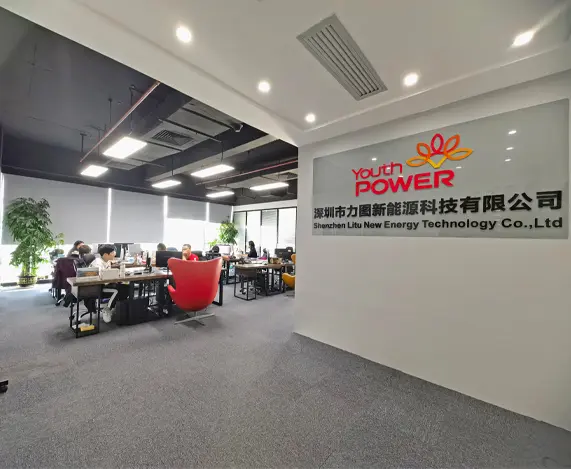
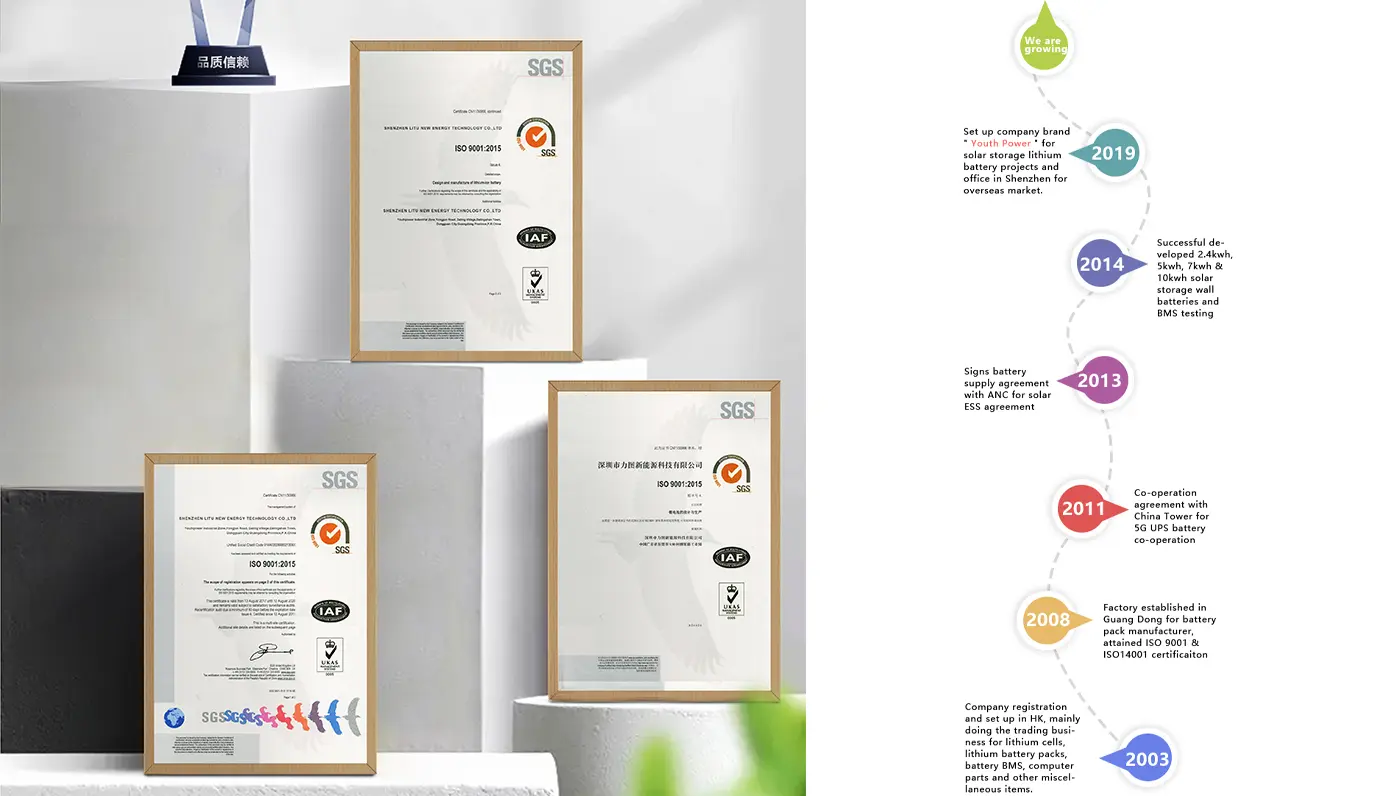
Founded in 2003, YouthPOWER has now become one of the leading suppliers of solar storage lithium batteries in the world. With a broad range of energy storage solutions, it covers a series of 24V, 48V and higher voltage lithium batteries solutions.
YouthPOWER has engaged in the battery technology and production for almost 20 years, with abundant manufacturing experience and strong new product R & D capability. Through many years of hard work and market promotion, we have created our own brand "YouthPOWER" in 2019.
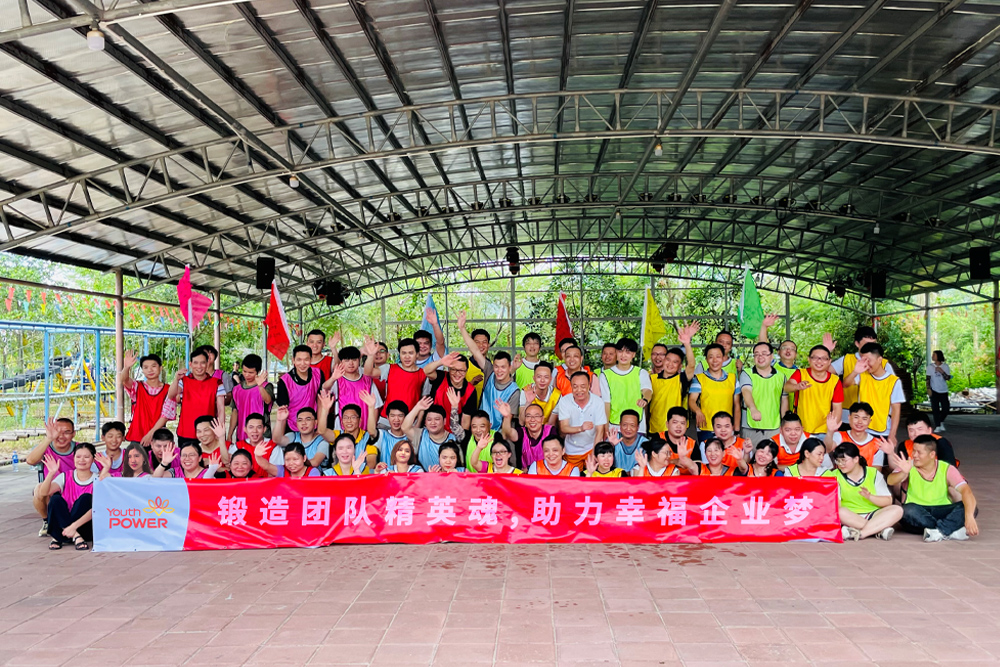
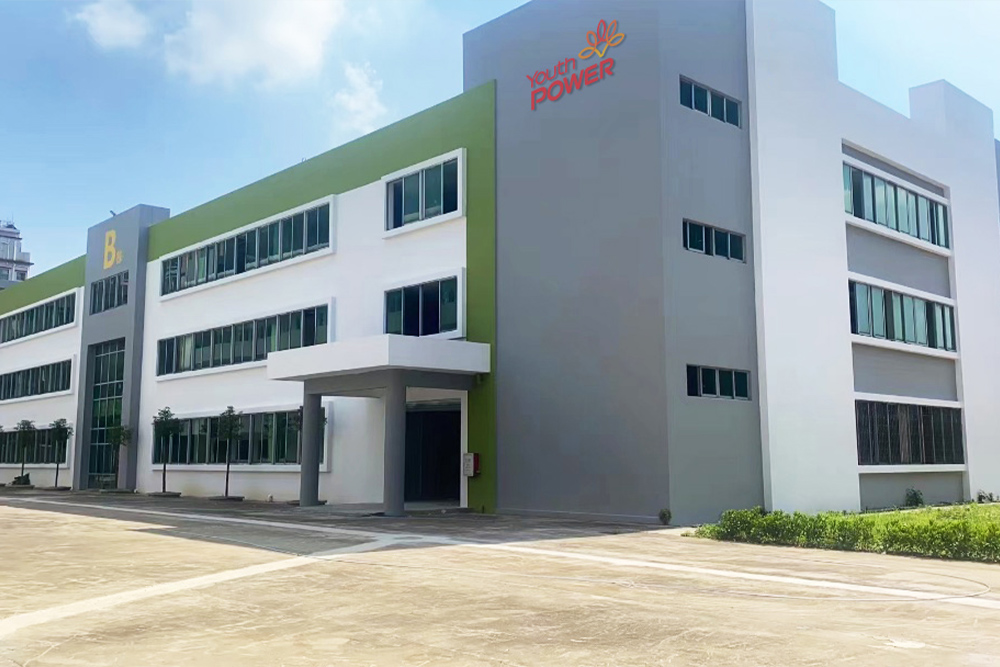
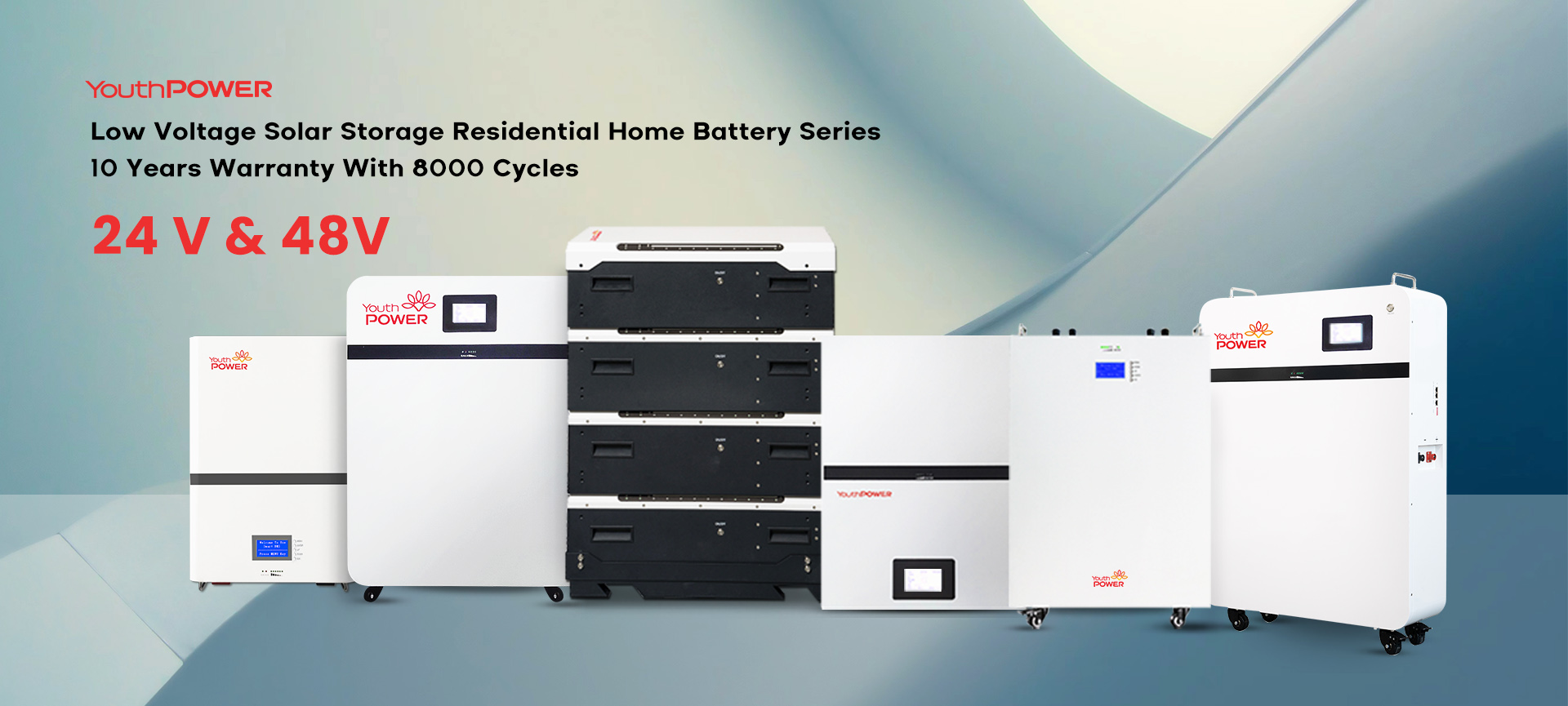
With nearly 20 years’ experience in the battery industry, we have the capability to provide you with both the products you need and the most suitable products you want. We are always ready to supply the first-class products and meet the various needs of the customers.
We have established good business relationships with our customers from all over the world. And we have a good cooperation with all our customers as well for many years running. Supported by our local vendors of raw materials, we can certainly offer you the best prices.
We are so proud that YouthPOWER has offered the reliable solar storage solution for over 1,000,000 families now in the world.
Deploying 400Ah lithium battery systems across diverse industrial, commercial, residential, and remote infrastructure environments.
Provides robust load shifting, emergency backup, and solar peak smoothing for factories, agricultural centers, and commercial hubs requiring high continuous discharge rates.
Delivers uninterruptible power supply (UPS) capabilities for cellular base stations, remote server racks, and critical digital infrastructure demanding zero millisecond transfer latency.
Replaces noisy diesel generators in remote mining camps, island communities, and off-grid resorts with clean, reliable, long-cycle 400Ah lithium storage arrays.
Powers large electric yachts, commercial vessels, specialty vehicles, and mobile fast-charging buffer stations requiring high power density and structural ruggedness.
Ensuring absolute compliance with stringent global electrical codes, hazardous material transport standards, and regional engineering services.
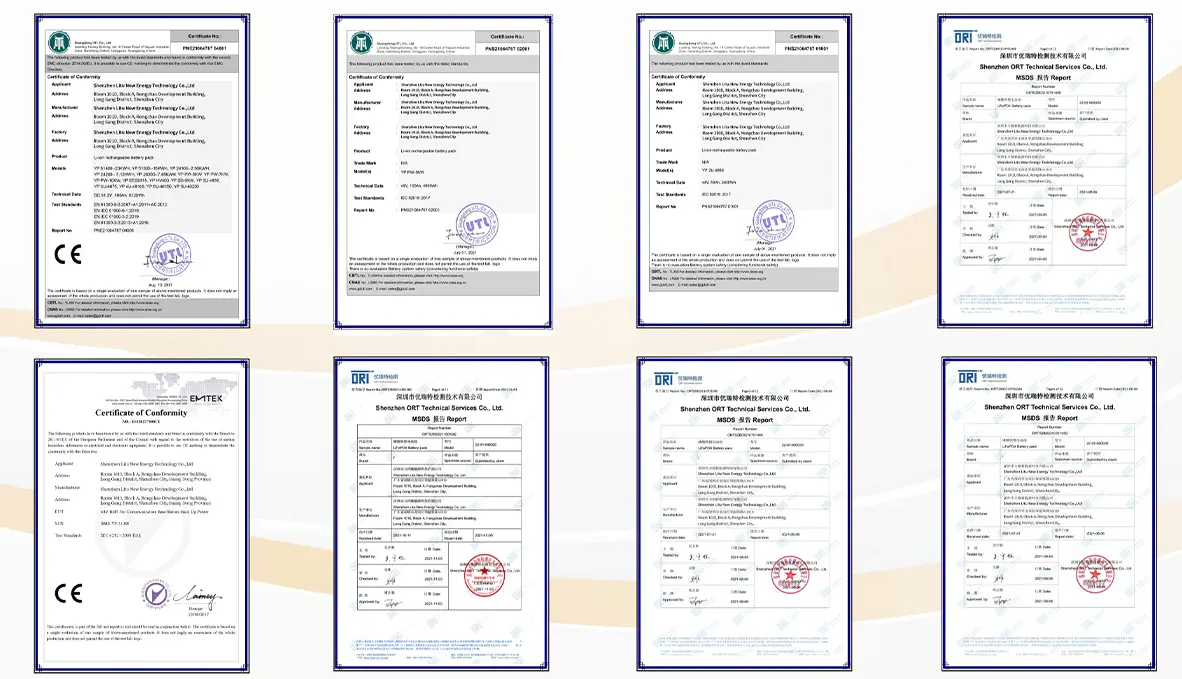
Top-tier 400Ah battery production lines adhere to strict international safety frameworks. Products are fully certified under UL1973, UL9540A, IEC 62619, CE, UN38.3, and MSDS, ensuring smooth customs clearance and utility interconnection approval across North America, Europe, Australia, and Asia-Pacific.
Lithium batteries are classified under Class 9 Dangerous Goods. Reliable factories utilize UN-certified heavy-duty packaging, integrated aerosol fire-suppression modules, and compliant ocean freight logistics partners to ensure safe delivery to site destinations under DDP/FOB terms.
Global presence requires localized technical assistance. Partnering with certified distributors enables local engineering dispatch, remote firmware monitoring, RMA handling, and up to 10-year linear performance warranties for enterprise energy projects.
Previewing upcoming advancements in high-density cell chemistry, solid-state electrolyte integration, and AI-driven predictive maintenance.
The industry is migrating towards larger prismatic cell designs that consolidate energy storage into fewer individual cell strings. This reduces manufacturing labor, minimizes internal busbar resistance, and improves volumetric efficiency by over 15% in standard 20ft container systems.
Next-generation 400Ah cells are incorporating non-flammable semi-solid state gel electrolytes and nano-silicon composite anodes. This innovation enhances thermal stability while extending cycle longevity to 12,000+ continuous cycles under demanding ambient conditions.
Future energy storage systems leverage cloud-connected AI telemetry to analyze State of Charge (SOC) and State of Health (SOH) in real time. Machine learning algorithms predict potential cell degradation, optimizing thermal management fans and dynamic charge rates automatically.
Addressing essential technical, commercial, and logistical queries for enterprise buyers and system integrators.
A: A 400Ah single cell or module format delivers double the capacity per footprint compared to 200Ah cells. This reduces the number of parallel connections, simplifies wire harness management, lowers internal resistance losses, and significantly cuts installation time and labor costs for medium-to-large energy storage projects.
A: Pricing depends on procurement volume, cell grading (Grade A vs. Grade B), BMS functionality, and enclosure customization. Factory-direct wholesale pricing generally ranges from $75 to $120 per kWh. Container-level orders (20ft/40ft HQ) unlock maximum bulk discounts directly from tier-1 manufacturers like YouthPOWER.
A: High-grade LiFePO4 cells are rated for 6,000 to 10,000 life cycles at 80% Depth of Discharge (DoD) under standard operating temperatures (25°C). In daily solar charging scenarios (1 cycle/day), this translates to an operational lifespan of 15 to 20+ years.
A: Yes. Most professional 400Ah systems are engineered with modular rack-mount or floor-standing designs. They can be connected in parallel (up to 15+ units) to scale total capacity, or connected in series to build high-voltage (HV) architecture ranging from 192V to 768V+ for commercial inverters.
A: Enterprise importers should verify that the factory provides certified test reports including UN38.3 (transport safety), MSDS, IEC 62619 (industrial lithium safety), CE-EMC/LVD, and UL1973 / UL9540A for North American and European grid compliance.
Comprehensive portfolio of commercial containerized storage, portable power stations, and scalable outdoor battery cabinets.
 YouthPOWER